 Edible Earthscaping is a philosophy, a lifestyle and a farming style that embodies the ebb and flow of nature. Rather than attempting to control or manipulate nature, it strives to blend with the natural tendencies of soil, climate, flora and fauna to achieve a diverse ecosystem loaded with food.
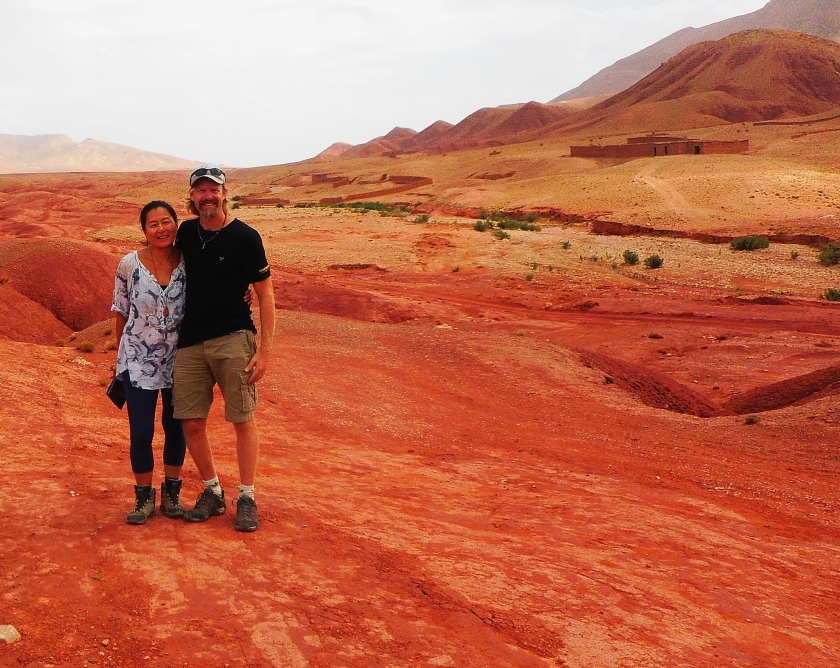
This is the vision my wife Haruka and I embrace as we foster the evolution of the Edible Earthscapes. Over the past 9 nine years, we owned and operated a small market farm in Moncure, North Carolina after farming for several years in Japan. We utilized a blend of permaculture and organic farming methods to create a niche in our region, providing Japanese and Asian heirloom vegetables, fruits, herbs and rice to the community around us.
In addition to our farming endeavors, we collaborated with local permaculture expert, Luke McMullan to provide permaculture design/installation services to folks in our region.
While our time in North Carolina has been truly magical in so many ways, Haruka and I are both feeling a strong calling to take our show on the road. Starting in January of 2017, we are embarking on an open-ended global adventure, exploring and working on different farms and permaculture sites around the world. The plan is to start out in Central America, and after that, who knows? Stay tuned friends…
 EdibleEarthscapes